
Mini Split Sizing GuidE: How to Choose the Right System
- Oct 19, 2025
- 1 min read
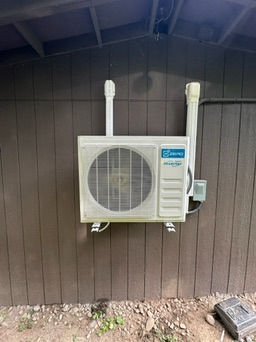
Getting the right size mini split is critical. If it’s too small, it won’t keep up. If it’s too large, you’ll waste energy and money. This simple guide explains how to estimate the perfect BTU capacity for your Seattle home.
Step 1: Measure Your Space
Calculate the square footage of the room or area you want to heat and cool.
Step 2: Use a General BTU Estimate
Area Size (sq ft) | Recommended BTUs |
150 – 250 | 6,000 BTU |
250 – 400 | 9,000 BTU |
400 – 650 | 12,000 BTU |
650 – 1,000 | 18,000 BTU |
1,000 – 1,500 | 24,000 BTU |
1,500 – 2,000 | 30,000 BTU + |
(Multi-zone systems use multiple indoor units to cover larger spaces.)
Step 3: Adjust for Seattle Conditions
Seattle’s temperate climate means you can choose a slightly lower BTU rating than homes in extreme heat zones. However, older homes with poor insulation may need a bit more capacity.
Step 4: Let a Pro Verify Your Sizing
A certified installer can perform a Manual J load calculation to confirm your exact needs — accounting for windows, insulation, and airflow.
Why Proper Sizing Matters
Saves energy and reduces bills
Prevents short cycling and excess wear
Keeps temperatures consistent
Ensures longer equipment life
Not sure what size you need?
Contact Mark’s Mini Splits. We’ll recommend the perfect system for your home and budget.


Comments