
The Complete Guide to Ductless Mini Splits
- Oct 19, 2025
- 1 min read

Ductless mini split systems are quickly becoming the go-to heating and cooling solution for Seattle homeowners. They’re quiet, efficient, and perfectly suited for the Pacific Northwest climate. If you’re curious about how they work, what they cost, and why they outperform traditional HVAC systems, this guide breaks it all down.
How Ductless Mini Splits Work
Unlike traditional HVAC systems that rely on ducts to move air, a ductless mini split delivers heating or cooling directly to each room.
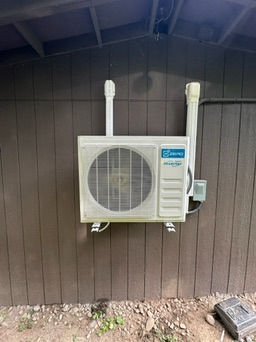
Outdoor Unit: Compresses and circulates refrigerant.
Indoor Unit(s): Mounted on walls or ceilings, these units blow conditioned air directly into your space.
Refrigerant Lines: Connect outdoor and indoor units through a small wall opening.
This setup allows for zoned comfort, each room has its own thermostat and operates independently.
Key Advantages for Seattle Homes
Energy Efficiency: Uses up to 50% less energy than electric baseboard or forced-air systems.
Dual Function: Heats in winter, cools in summer.
No Ductwork: Perfect for older Seattle homes or additions.
Quiet Operation: Indoor units run as low as 19 decibels.
Mini Splits vs. Traditional HVAC
Feature | Ductless Mini Split | Traditional HVAC |
Installation | Fast (1 day) | Weeks of ductwork |
Efficiency | 20-30 SEER | 13-16 SEER |
Maintenance | Simple filter cleaning | Duct cleaning required |
Comfort | Zoned control | One thermostat for all |
Why Seattle Homeowners Are Switching
Seattle’s mild winters and warm summers make heat pumps ideal. They use electricity efficiently even in cold, damp conditions, keeping utility bills low and comfort consistent.
Ready to go ductless?
Contact mark's Mini Splits today for a free quote in Seattle and surrounding areas.


Comments